In the world of candy production, the process of mixing is more than just a simple combination of ingredients. It’s a complex science that directly influences the texture, flavor, and quality of the finished product. Understanding the intricacies of mixing can lead to improvements in production efficiency, flavor consistency, and product quality. This blog post will explore the science behind effective mixing in candy production and its critical role in confectionery machinery.
Understanding Confectionery Machinery
Confectionery machinery plays a fundamental role in the production of candy. It encompasses various machines designed for different processing steps including cooking, cooling, and, most importantly, mixing. The mixing process is essential for ensuring that all ingredients are evenly distributed, leading to a uniform product.
Without effective mixing, ingredients can settle or clump, resulting in inconsistent flavor and texture—something no candy manufacturer wants. Let’s delve into the key factors that define effective mixing in candy production and how they relate to the machinery used.
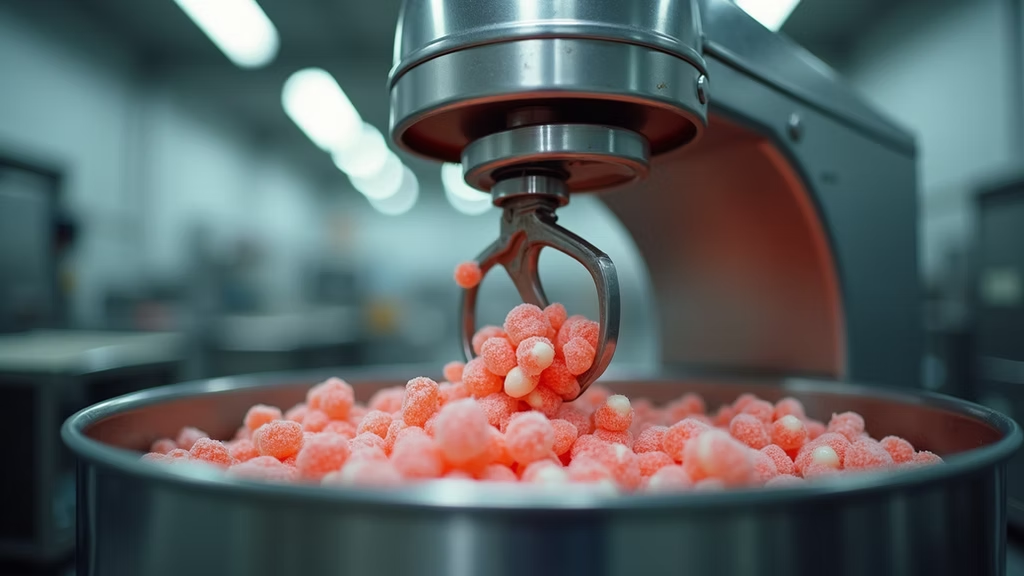
A close-up of a powerful industrial mixer in action for candy production.
The Importance of Mixing in Candy Production
Effective mixing contributes to several critical attributes of candy, including texture, flavor, and appearance. During the mixing process, ingredients such as sugars, flavorings, and colorings blend together to form the desired candy mass.
A well-mixed batch will ensure that each piece of candy tastes the same and has a consistent texture. Texture is especially important in confectionery products. For instance, gummy candies need a specific elasticity, while chocolate must have a silky smoothness. Therefore, achieving the right mixing parameters enhances both quality and consumer satisfaction.
Moreover, inconsistent mixing can lead to “hot spots” in the candy mixture, where ingredients could not be uniformly blended. This can result in localized areas of extreme sweetness or a lack of flavor, significantly diminishing the overall product quality.
Key Factors Influencing Effective Mixing
Effective mixing relies on various factors including mixing time, speed, and equipment design. Each of these factors can significantly impact the final product’s quality, making it crucial for manufacturers to optimize them.
Uniformity and Homogeneity in Mixtures
If you’ve ever noticed a small bubble or air pocket inside your gum, you might wonder why it forms. This bubble-like thing is often a result of the extrusion process itself. During extrusion, air can become trapped in the gum mass, especially if the mixture is not perfectly uniform or if the machine settings are slightly off.
These tiny air pockets are usually harmless and do not affect the gum’s taste or chewability. However, manufacturers strive to minimize them because they can impact the gum’s appearance and texture.
Mixing Techniques and Their Diversities
To achieve the best results in bubble gum extrusion, manufacturers can follow these practical recommendations:
Batch Mixing:
Variations in gum base or sweeteners can affect extrusion performance.
Continuous Mixing:
Use sensors to monitor and adjust the heating jacket to avoid overheating.
Planetary Mixing:
Used often in chocolate and cream-based candies, this technique involves moving both the ingredients and the mixer components in different directions, promoting superior blending capabilities.
Implementing these tips can improve production efficiency and product consistency, leading to better consumer satisfaction.
The Role of Temperature and Environmental Conditions
Temperature control is another vital aspect of effective mixing in candy production. Certain ingredients may be sensitive to temperature fluctuations, which can impact the mixing process and the final product.
For instance, if a candy mixture is heated too much during mixing, it can lead to premature crystallization of sugar, resulting in a grainy texture. On the other hand, a cooler mixture might not blend properly, affecting the homogeneity of flavor and texture.
Environmental conditions, such as humidity, can also influence the behavior of ingredients and should be closely monitored to ensure successful mixing.
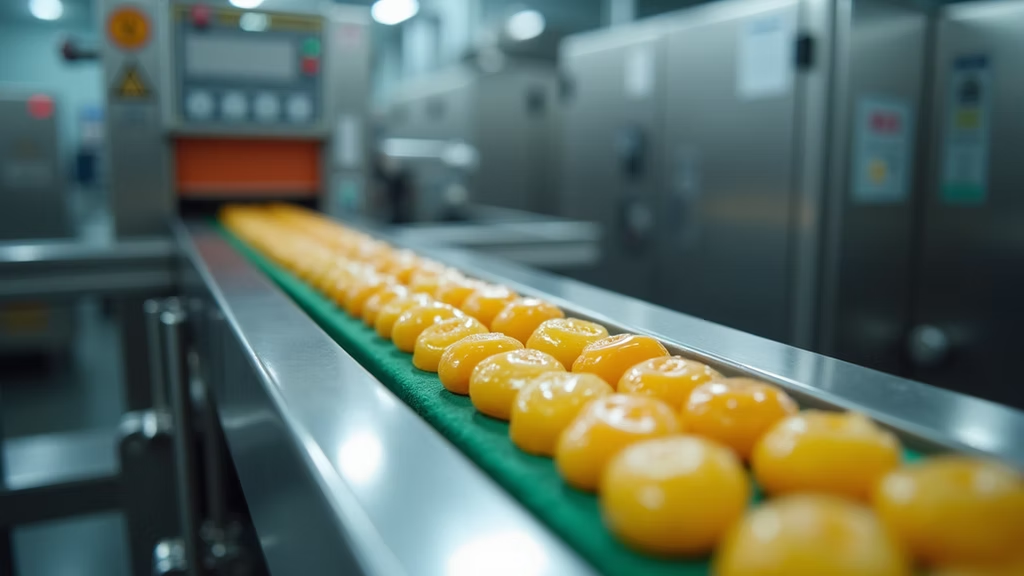
An automated candy production line showcasing the efficiency of machine design.
Common Challenges in Candy Mixing and Solutions
Even with an understanding of the mixing science, manufacturers often face challenges during the mixing process. Here are a few common issues and their solutions:
Automated feedback loops that adjust temperature and pressure in real-time.
Inconsistent Mixtures
Using induction or infrared heating to reduce energy consumption.
Ingredient Settling
Development of new gum bases that extrude more easily and produce fewer air bubbles.
Temperature Issues
3D-printed dies that allow for unique gum shapes and textures.
Future Trends in Candy Mixing
Understanding the process behind bubble gum extrusion technology reveals the complexity and precision involved in making a simple piece of gum. From ingredient mixing to shaping and cooling, every step is carefully controlled to deliver the perfect chew. Whether you are a manufacturer or simply curious, appreciating this technology adds a new layer of enjoyment to your bubble gum experience.
Understanding the process behind bubble gum extrusion technology reveals the complexity and precision involved in making a simple piece of gum. From ingredient mixing to shaping and cooling, every step is carefully controlled to deliver the perfect chew. Whether you are a manufacturer or simply curious, appreciating this technology adds a new layer of enjoyment to your bubble gum experience.
Enhancing Your Mixing Process
Understanding the process behind bubble gum extrusion technology reveals the complexity and precision involved in making a simple piece of gum. From ingredient mixing to shaping and cooling, every step is carefully controlled to deliver the perfect chew. Whether you are a manufacturer or simply curious, appreciating this technology adds a new layer of enjoyment to your bubble gum experience.
Remember that the right industrial mixer design and staying ahead of industry trends can make all the difference. By continually refining your mixing processes, you can ensure your candies stand out in a competitive market and delight consumers with every bite.